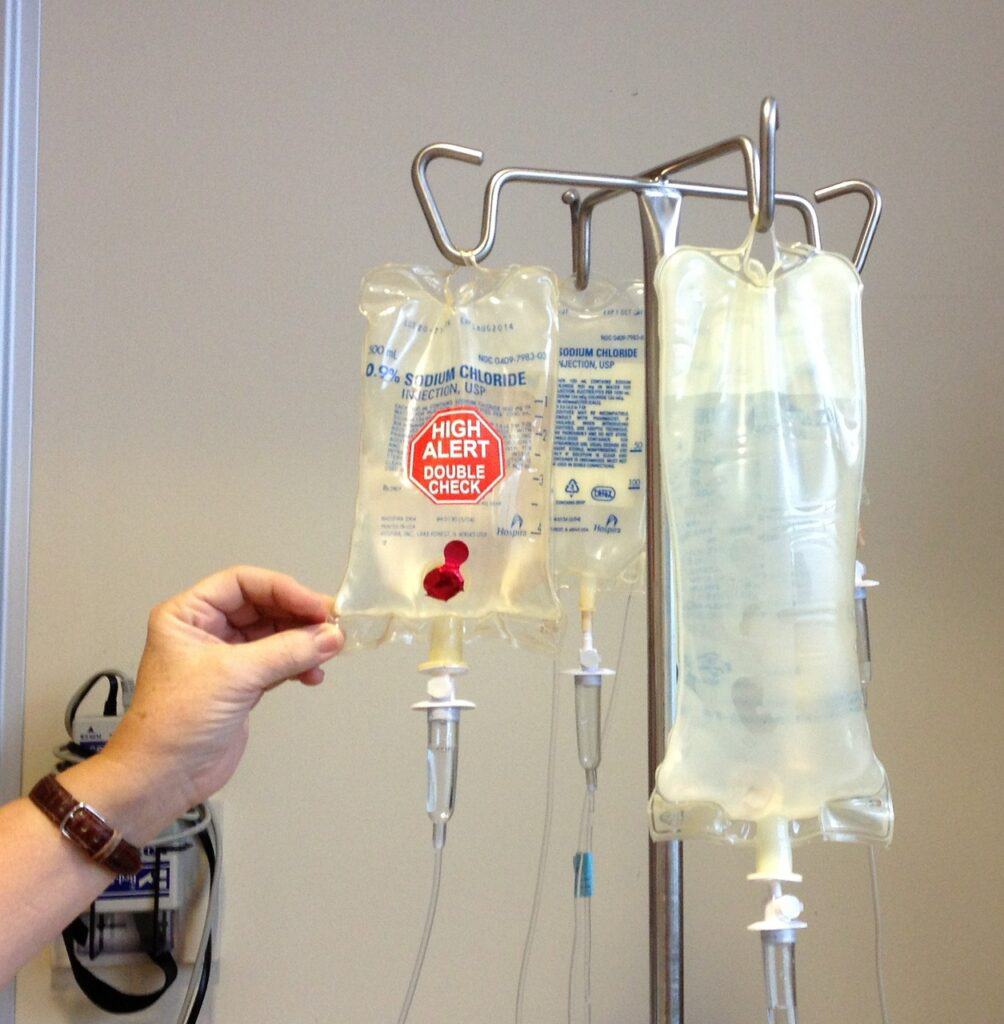
Chemotherapy is a powerful cancer treatment that can save lives, but it often comes with challenging side effects. Many patients experience common chemo side effects such as fatigue, nausea, hair loss, and increased risk of infection.
Understanding these potential effects can help you prepare and manage them more effectively during your treatment journey.
While chemo targets cancer cells, it can also affect healthy cells in your body, leading to various side effects. These may vary depending on the specific drugs used and your individual response to treatment. Some people may experience only mild effects, while others may face more severe challenges.
By familiarizing yourself with common chemotherapy side effects, you can better communicate with your healthcare team and take proactive steps to manage your symptoms. This knowledge can empower you to navigate your treatment with greater confidence and maintain a better quality of life during this challenging time.
Let’s take a deep dive:
Understanding Chemotherapy and Its Objectives
Chemotherapy is a crucial component of cancer treatment. It uses powerful drugs to target and destroy cancer cells throughout the body. The goals of chemotherapy vary depending on the type and stage of cancer.
The Role of Chemotherapy in Cancer Care
Chemotherapy plays a vital role in your cancer treatment plan. Your cancer care team may recommend it to:
- Shrink tumors before surgery or radiation
- Destroy remaining cancer cells after other treatments
- Control cancer growth and spread
- Relieve symptoms in advanced cases
Chemotherapy can be used alone or combined with other treatments. The timing and duration of your chemotherapy treatment depend on your specific diagnosis and overall health.
How Chemotherapy Targets Cancer Cells
Chemotherapy drugs work by attacking fast-growing cells in your body. Cancer cells divide and multiply rapidly, making them prime targets. However, some healthy cells also grow quickly and can be affected.
Chemotherapy targets cells at different stages of the cell cycle. It may:
- Damage cell DNA to prevent replication
- Interfere with cell division
- Block enzymes needed for cell growth
Your treatment plan may include multiple drugs to target cancer cells in different ways. This approach can increase effectiveness and reduce the risk of drug resistance.
While chemotherapy affects both cancerous and healthy cells, cancer cells are often more vulnerable. Your body’s healthy cells can usually recover between treatments, allowing you to continue therapy.
Common Side Effects of Chemotherapy
Chemotherapy can cause a range of side effects that vary in severity and duration. These effects occur as the treatment targets rapidly dividing cells, including both cancer cells and some healthy cells.
Managing Nausea and Vomiting
Nausea and vomiting are common chemotherapy side effects. They can occur immediately after treatment or be delayed by several days.
To manage these symptoms:
- Take anti-nausea medications as prescribed by your doctor
- Eat small, frequent meals instead of large ones
- Choose bland, easily digestible foods
- Stay hydrated with clear liquids
- Try ginger tea or candies to soothe your stomach
Some patients find relief through acupuncture or relaxation techniques. If nausea persists, inform your healthcare team as they may adjust your medication or treatment plan.
Hair Loss and Regrowth
Hair loss, or alopecia, is a common and often distressing side effect of chemotherapy. It usually begins 2-4 weeks after starting treatment.
Hair loss can affect:
- Scalp
- Eyebrows and eyelashes
- Body hair
Your hair will likely grow back after treatment ends, though it may be a different color or texture initially. Some tips to cope:
- Consider cutting your hair short before treatment
- Use gentle hair care products
- Wear a soft cap or scarf to protect your scalp
- Explore wig options if desired
Blood Cell Counts and Infection Risk
Chemotherapy can lower your blood cell counts, leading to:
- Neutropenia: Low white blood cells, increasing infection risk
- Anemia: Low red blood cells, causing fatigue
- Thrombocytopenia: Low platelets, leading to easy bruising or bleeding
To manage these risks:
- Wash your hands frequently
- Avoid crowds and sick people
- Eat a balanced diet rich in nutrients
- Rest when needed
- Report any signs of infection to your doctor immediately
Your healthcare team will monitor your blood counts regularly and may adjust your treatment if necessary.
Pain and Neuropathy Issues
Some chemotherapy drugs can cause nerve damage or peripheral neuropathy. Symptoms include:
- Tingling or numbness in hands and feet
- Burning sensations
- Sensitivity to cold or heat
- Muscle weakness
To manage neuropathy:
- Keep your doctor informed about your symptoms
- Wear gloves when handling cold items
- Use handrails for balance if needed
- Consider physical therapy to maintain strength and flexibility
Pain management options may include medication, topical treatments, or complementary therapies like acupuncture. Work closely with your healthcare team to find the best approach for your situation.
Further reading: How To Improve Chemotherapy-Induced Peripheral Neuropathy
Impact of Chemotherapy on Daily Life
Chemotherapy affects many aspects of daily life, requiring adjustments to diet, exercise, and self-care routines. You may experience changes to your emotions, cognition, and physical appearance that impact your day-to-day activities.
Adjusting Diet and Exercise During Treatment
During chemotherapy, you may need to modify your diet and exercise habits.
Eat small, frequent meals to combat nausea and maintain nutrition. Choose easy-to-digest foods like bananas, rice, and toast when your appetite is low.
Stay hydrated by drinking plenty of water.
For exercise, start with gentle activities like short walks or yoga. Gradually increase intensity as you feel able.
Exercise can help reduce fatigue and improve your mood. Always check with your doctor before starting a new exercise routine.
Aim for 30 minutes of moderate activity most days, but listen to your body and rest when needed. Swimming and cycling are low-impact options that may be easier on your joints.
Coping With Emotional and Cognitive Changes
Chemotherapy can affect your emotions and thinking abilities. You may experience mood changes, depression, or anxiety.
Don’t hesitate to seek support from a therapist or support group.
“Chemobrain” refers to cognitive changes like forgetfulness or difficulty concentrating. To manage this:
- Use calendars and reminders
- Break tasks into smaller steps
- Get enough sleep
- Do puzzles or brain games
Practice relaxation techniques like deep breathing or meditation to reduce stress. Maintain social connections, even if you need to adjust how you interact with others.
Dealing With Skin and Nail Changes
Chemotherapy can cause various skin and nail issues. Your skin may become dry, itchy, or more sensitive to sunlight. To care for your skin:
- Use gentle, fragrance-free moisturizers
- Take short, lukewarm showers
- Apply sunscreen when outdoors
- Avoid harsh soaps and hot water
Nails may become brittle, discolored, or develop ridges.
Keep nails short and clean. Use cuticle oil to prevent dryness and cracking. Avoid artificial nails or harsh nail products.
If you develop a rash, inform your healthcare team immediately. They can recommend appropriate treatments and determine if it’s a sign of a more serious reaction.
Long-term Considerations and Support
Chemotherapy can have lasting effects on fertility, sexual health, and overall well-being. Addressing these concerns and developing strategies for long-term recovery are crucial for cancer survivors.
Understanding Fertility and Sexual Health
Chemotherapy may cause fertility issues and early menopause in some patients.
If you’re concerned about your ability to have children, discuss fertility preservation options with your healthcare team before starting treatment.
For men, chemotherapy can lead to temporary or permanent infertility and erectile dysfunction. Sperm banking is an option to consider before treatment begins.
Women may experience changes in menstrual cycles, vaginal dryness, and decreased libido.
Your doctor can recommend treatments to address these issues, such as lubricants or hormone therapies.
Regular check-ups with a reproductive specialist can help monitor your fertility status and explore potential solutions.
Strategies for Long-term Recovery and Health Maintenance
After chemotherapy, focus on rebuilding your health and preventing future complications.
Regular exercise can help combat fatigue. It can also improve bone density and boost overall well-being.
Maintain a balanced diet rich in fruits, vegetables, and whole grains. Stay hydrated and consult your healthcare team before taking vitamins or over-the-counter medicines.
Make sure to monitor your heart health. Some chemotherapy drugs can cause cardiomyopathy or arrhythmias, so regular cardiovascular check-ups are essential.
Be aware of the risk of osteoporosis and kidney problems. Your doctor may recommend bone density scans or kidney function tests.
Join support groups to connect with other survivors and share experiences. Psychological support can be crucial for long-term emotional well-being.
Pingback: How To Deal With Chemo Fatigue
Pingback: Can I Take A Chemo Treatment Break?